
Buying plants should be exciting, but for many beginner gardeners, standing in front of rows of plants covered in unfamiliar labels can feel surprisingly confusing.
What do terms like hardy perennial, USDA hardiness zone, RHS Award of Garden Merit, full sun, or moist but well-drained soil actually mean? Why do some plants have botanical names on their plant tag as well as a common plant name? And how can a small plastic tag tell you whether a plant will thrive in your garden or struggle from the day you bring it home?
Learning to read plant labels is one of the simplest ways to become a more confident gardener. Those small tags contain valuable information about a plant’s needs, growth habits, flowering season and long-term care. Spending just a few minutes understanding them can save money, prevent disappointment and help you choose plants that are perfectly suited to your garden.
This beginner’s guide explains every part of a typical plant label, what each symbol means, and how to use that information when selecting plants.
Why Plant Labels Matter
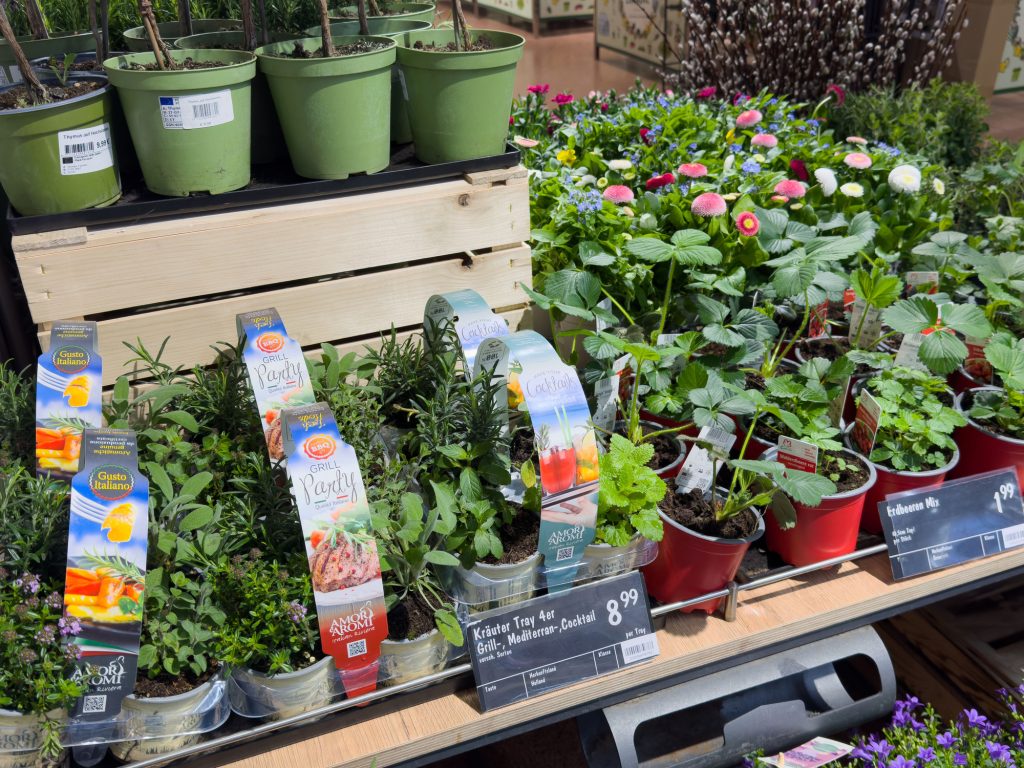
Plant labels are much more than price tags.
They provide essential information that allows you to match plants to your garden’s conditions instead of simply buying whatever looks attractive at the garden centre.
A label can tell you:
- How much sunlight a plant needs
- How large it will become
- Whether it survives winter outdoors
- How often it needs watering
- When it flowers
- Whether it attracts pollinators
- What type of soil it prefers
- Whether it is suitable for containers
Ignoring these details often leads to common beginner mistakes, such as planting a shade-loving fern in full sun or squeezing a shrub that eventually grows three metres wide into a tiny flower border.
The Common Name
Most labels begin with the plant’s common name.
Examples include:
- Lavender
- Foxglove
- Hydrangea
- Japanese Maple
- Coneflower
Common names are easy to remember, but they can sometimes refer to several different plants.
For example, the name “Bluebell” can mean different species depending on where you live.
This is why plant labels almost always include the botanical name as well.
Understanding Botanical (Latin) Names
A plant’s scientific name or botanical name uniquely identifies every plant.
For example the full scientific name:
Lavandula angustifolia
This tells gardeners exactly which species they are buying.
Botanical names usually consist of two parts; the plant’s genus and the species.
- Genus – the larger plant family (Lavandula)
- Species – the specific plant (angustifolia)
Sometimes there is a third part showing the cultivated variety, known as the cultivar.
For example:
Hydrangea macrophylla ‘Endless Summer’
The cultivar name identifies the particular variety selected for its flower colour, growth habit or other desirable characteristics and helps with specifically identifying it from other similar common names.
Although Latin names may look intimidating at first, they are extremely useful because they avoid confusion caused by regional common names.
Plant Size
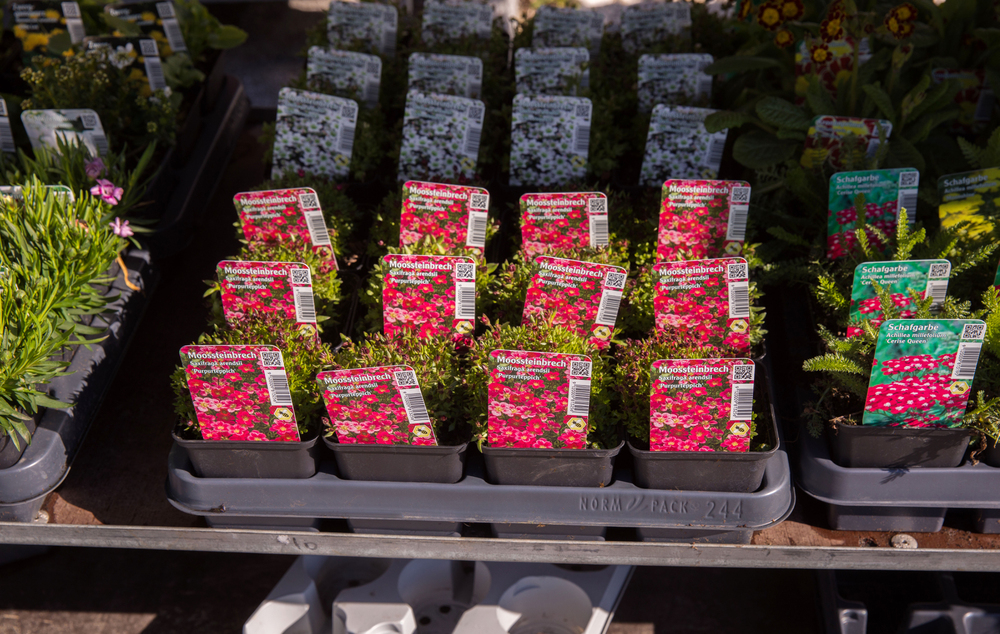
One of the most important pieces of information is the mature height and spread of a plant species.
Many beginners accidentally buy tiny plants that eventually become enormous shrubs.
For example you will commonly see this type of information on plastic labels:
Height: 150 cm (5 ft)
Spread: 120 cm (4 ft)
These measurements refer to the plant’s mature size rather than its current size in the pot.
It’s essential that you always leave enough space for future growth. Crowded plants compete for water, nutrients and sunlight, making them more susceptible to disease.
Sunlight Requirements
Nearly every plant label explains how much sunlight the plant requires.
Typical descriptions of light requirements include:
Full Sun
Generally means at least six hours of direct sunlight each day.
Ideal for:
- Roses
- Lavender
- Tomatoes
- Salvia
Partial Sun
Partial sun, or part sun, usually means approximately four to six hours of direct sunlight.
Morning sun with afternoon shade often works well.
Partial Shade
Receives filtered light or only a few hours of direct sun.
Many woodland plants prefer these conditions.
Full Shade
Very little direct sunlight.
Suitable plants include:
- Ferns
- Hostas
- Heucheras
Placing a sun-loving plant in deep shade often leads to poor flowering, weak stems and slow growth, so it’s important that. you understand individual plent light needs.
Soil Preferences
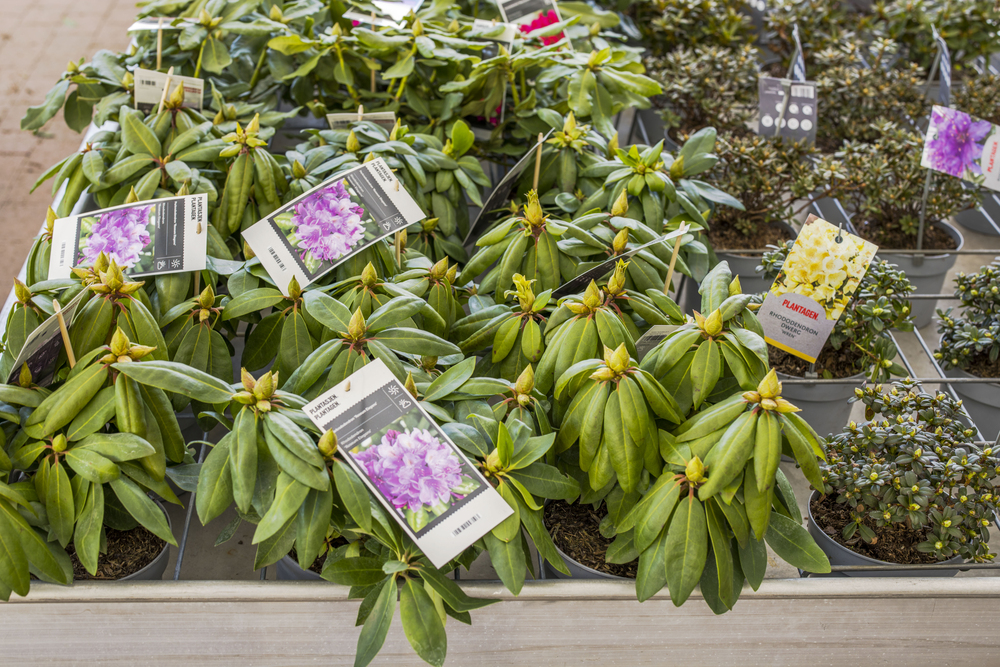
Plant labels frequently mention the ideal soil types that a particular plant requires.
Common descriptions include:
Well-drained Soil
Water drains away easily and does not remain around the roots.
Many Mediterranean plants require this.
Moist Soil
Soil should stay consistently damp but never waterlogged.
Moist but Well-Drained
Perhaps the most common phrase on plant labels.
It means the soil should retain some moisture while allowing excess water to drain away.
Sandy Soil
Drains quickly and warms up early in spring.
Clay Soil
Retains moisture and nutrients but drains more slowly.
Some plants thrive in clay, while others struggle.
Acid or Alkaline Soil
Certain plants perform best within a specific soil pH.
For example:
- Rhododendrons prefer acidic soil.
- Lavender prefers neutral to alkaline conditions.
If you are unsure what soil you have, a simple soil test kit can provide valuable information.
Hardiness Ratings
One of the most important things to understand is whether a plant survives winter outdoors.
Plastic plant labels and display labels may describe plants as:
Hardy
Can survive normal winter temperatures in your climate.
Half Hardy
Needs some protection during colder weather.
Tender
Cannot tolerate frost.
Tender plants usually need bringing indoors or growing as annuals.
Many labels, especially in North America, also include hardiness zones.
In the UK, some labels use the Royal Horticultural Society (RHS) hardiness scale (H1 to H7).
These systems indicate the temperatures a plant can survive during winter and are a useful part of the care instructions.
Flowering Season
Plant labels usually indicate when flowers appear.
Examples include:
- Spring
- Early summer
- Mid-summer
- Late summer
- Autumn
Some labels include several flowering months using coloured bars or calendars.
This helps gardeners create displays that flower continuously throughout the growing season.
Flower Colour
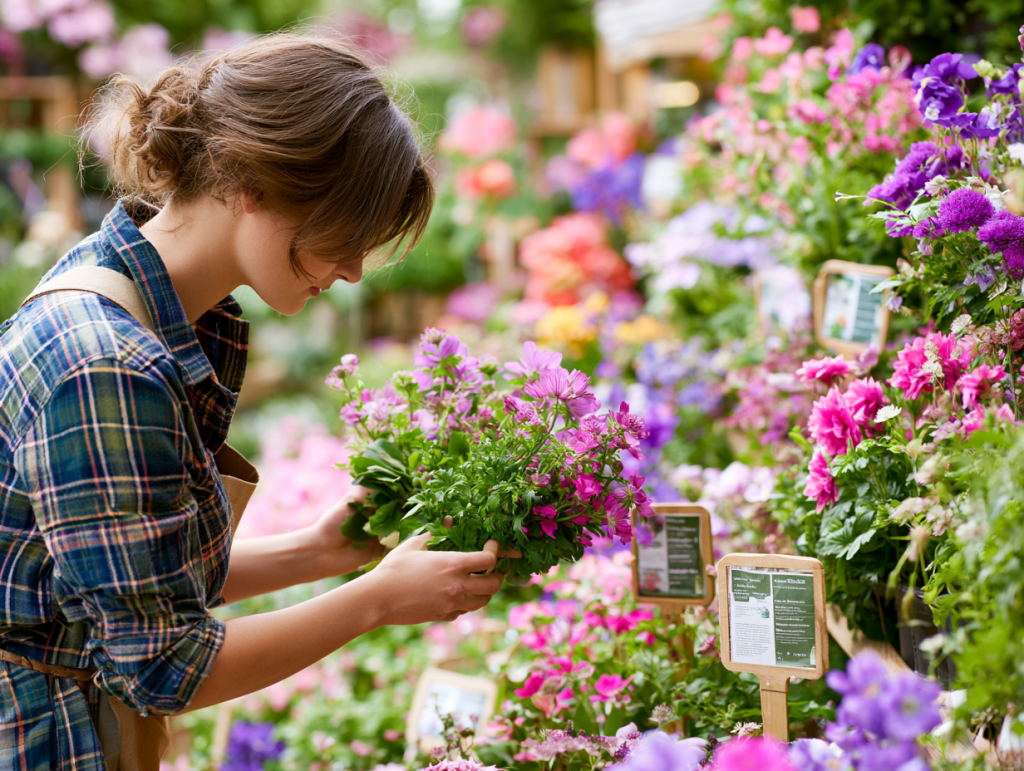
Many labels display photographs showing mature flowers.
They may also list colours such as:
- White
- Pink
- Purple
- Blue
- Yellow
- Orange
- Red
Remember that flower colour can vary slightly depending on growing conditions, climate and soil.
Hydrangeas, for example, can produce blue or pink flowers depending largely on soil acidity.
Evergreen or Deciduous
This tells you whether the plant keeps its leaves all year.
Evergreen
Retains foliage throughout winter.
Provides year-round structure and colour.
Examples include:
- Box
- Holly
- Hebe
Deciduous
Drops its leaves during autumn before producing fresh growth in spring.
Examples include:
- Roses
- Japanese maples
- Hydrangeas
Neither is better—they simply offer different seasonal interest.
Watering Requirements
Many labels indicate the amount of water the plant requires.
Common descriptions include:
- Drought tolerant
- Regular watering
- Keep moist
- Water well until established
Newly planted shrubs and perennials generally need more frequent watering during their first growing season than mature plants.
Pollinator-Friendly Symbols
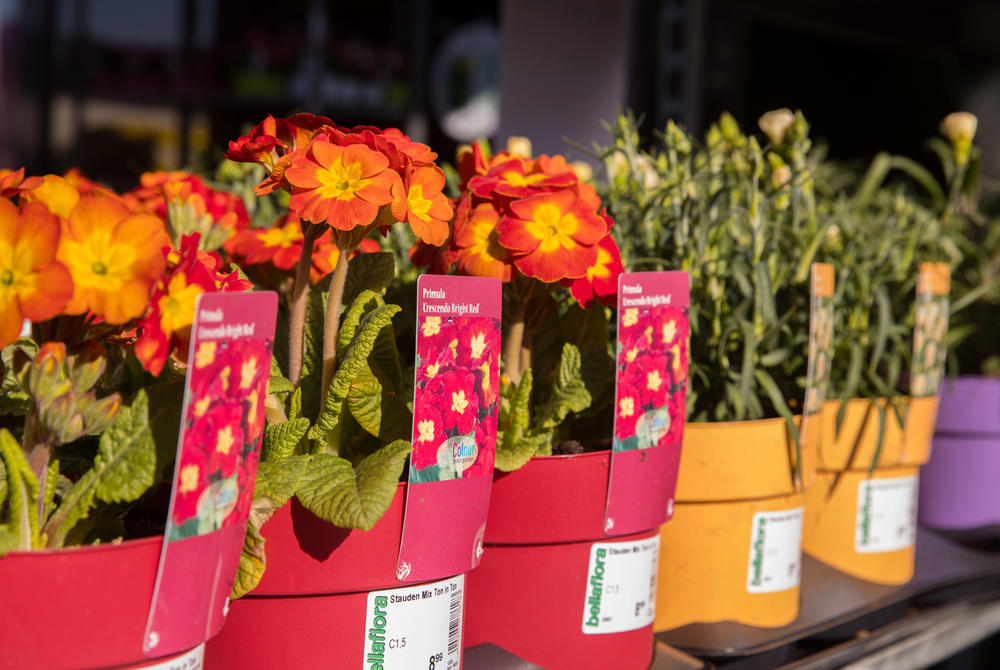
Many modern labels include symbols showing that plants attract:
- Bees
- Butterflies
- Other beneficial insects
These plants are excellent choices for wildlife gardens.
Planting a range of pollinator-friendly flowers with different flowering periods helps provide nectar from spring through autumn.
Fragrance
Some plant labels highlight scented flowers or foliage.
These plants work particularly well near:
- Patios
- Seating areas
- Garden paths
- Front doors
Popular fragrant plants include lavender, jasmine, roses and sweet peas.
Container Suitability
Some varieties are specially bred for growing in pots.
Labels may indicate:
- Suitable for containers
- Patio variety
- Compact habit
Compact plants generally perform much better in containers than vigorous varieties that quickly outgrow their pots.
Planting Distance
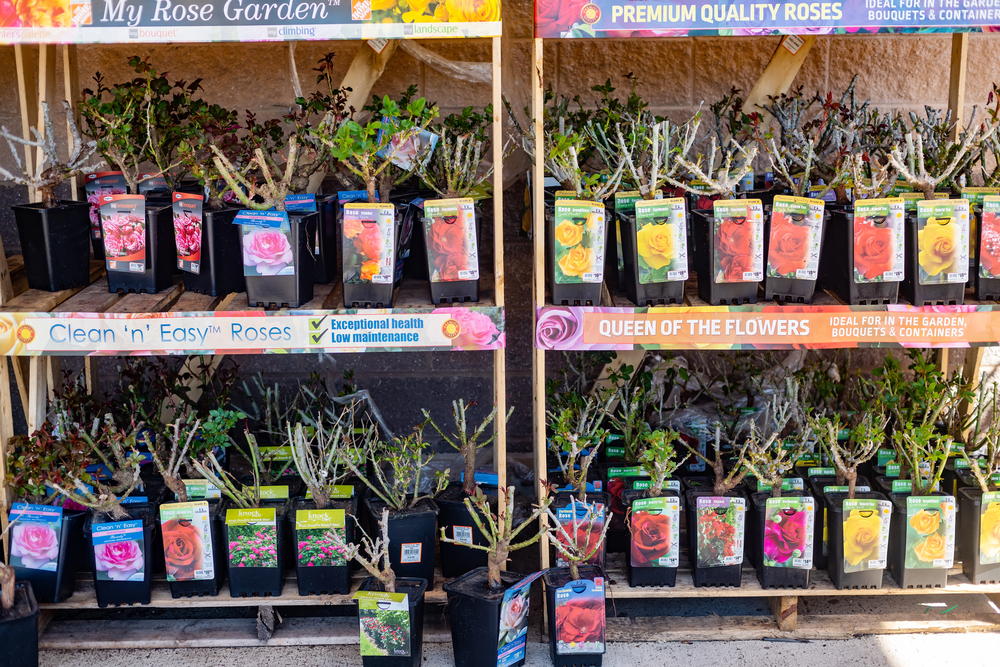
Certain labels recommend spacing.
For example:
Space plants:
45 cm (18 inches) apart
This allows room for mature growth while maintaining good airflow.
Correct spacing reduces disease and encourages healthier plants.
Special Care Notes
In addition to other important information, many labels include brief growing tips such as:
- Deadhead regularly
- Protect from frost
- Mulch annually
- Prune after flowering
- Cut back in autumn
These small notes often make a significant difference to long-term performance.
Understanding Plant Symbols
Many nurseries and garden centers use simple symbols, such as a sun symbol, cloud or drops of water, instead of lengthy descriptions.
Common icons you might find on plant labels include:
☀ Full sun
⛅ Partial shade
☁ Shade
💧 Regular watering
🐝 Bee friendly
🦋 Butterfly friendly
🌸 Fragrant flowers
🌿 Evergreen
❄ Frost hardy
🏺 Suitable for containers
These icons allow gardeners to compare plants quickly while browsing.
What Does “Award of Garden Merit” Mean?
Many plant labels display the RHS Award of Garden Merit (AGM) logo.
This award recognises plants that have performed exceptionally well during independent garden trials.
Plants with this award are generally:
- Reliable
- Easy to grow
- Good performers
- Resistant to many common pests and diseases
While many excellent plants do not carry the award, it provides reassurance for beginners choosing between similar varieties.
Annual, Biennial and Perennial
Plant labels often describe a plant’s life cycle.
Annual
Completes its life cycle within one growing season.
Examples include marigolds and cosmos.
Biennial
Produces leaves in its first year before flowering in the second.
Foxgloves are a classic example.
Perennial
Returns year after year.
Many herbaceous perennials die back during winter before regrowing in spring.
Understanding this distinction helps gardeners know what to expect each season.
QR Codes and Digital Plant Information
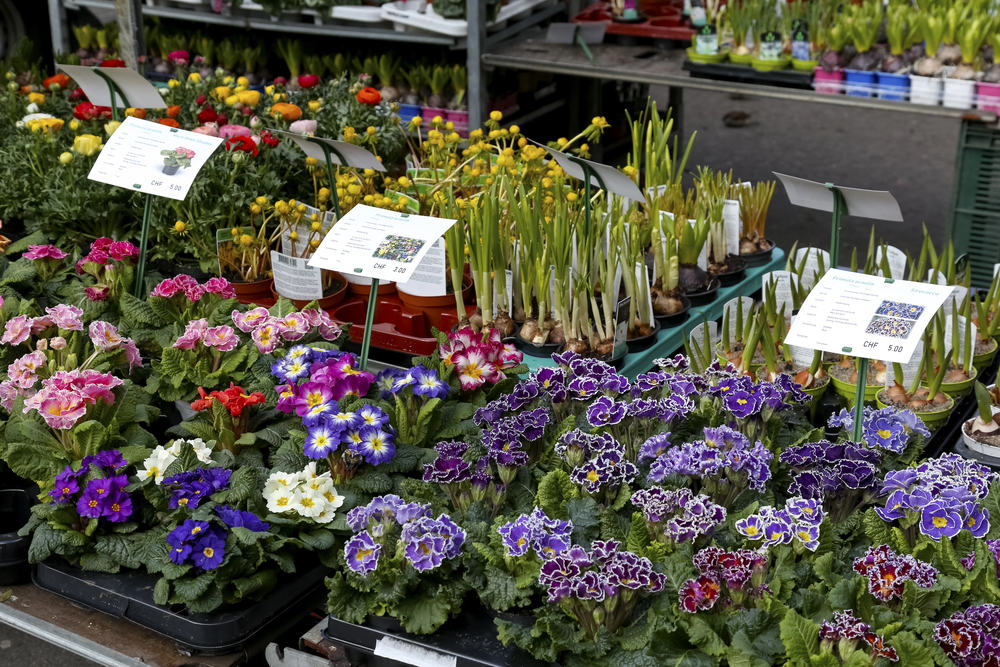
Many modern plant labels and the back of the tag now include QR codes too.
Scanning them with a smartphone often provides:
- Plant care guides
- Watering advice
- Pruning instructions
- Videos
- Seasonal care tips
- Growing inspiration
These resources can be especially useful for beginner gardeners.
Keeping Plant Labels After Planting
Many experienced gardeners keep their labels even after planting, as they can be useful to double check details later.
You can:
- Store them in a folder
- Photograph them
- Label plants on a garden map
- Write plant names in a gardening notebook
This makes it much easier to remember what you planted, particularly during winter when many plants disappear below ground.
Common Beginner Mistakes
Avoid these frequent errors:
- Buying plants based solely on flower colour.
- Ignoring mature height and spread.
- Overlooking sunlight requirements.
- Forgetting to check winter hardiness.
- Assuming every flowering plant likes full sun.
- Removing labels before reading them fully.
- Planting without checking soil conditions.
A few minutes spent reading the label can prevent years of frustration.
Quick Reference Guide to Common Plant Label Terms
| Label Term | What It Means |
|---|---|
| Annual | Completes its entire life cycle in one growing season and must usually be replanted each year. |
| Biennial | Produces foliage in its first year and flowers, sets seed and dies in its second year. |
| Perennial | Lives for more than two years, returning each growing season. |
| Evergreen | Keeps its leaves throughout the year. |
| Deciduous | Loses its leaves in autumn before producing new growth in spring. |
| Hardy | Can survive normal winter temperatures outdoors in your climate. |
| Half Hardy | Tolerates light cold but usually needs protection from frost. |
| Tender | Cannot survive frost and may need to be grown indoors or treated as an annual. |
| Full Sun | Requires at least 6 hours of direct sunlight each day. |
| Partial Sun | Grows best with around 4–6 hours of direct sunlight. |
| Partial Shade | Prefers filtered light or only a few hours of direct sunshine. |
| Full Shade | Thrives with very little direct sunlight. |
| Well-Drained Soil | Excess water drains away easily, preventing waterlogged roots. |
| Moist Soil | Soil should remain consistently damp but not saturated. |
| Moist but Well-Drained | Holds moisture while allowing excess water to drain away. |
| Drought Tolerant | Can cope with dry periods once fully established. |
| Acid-Loving | Prefers acidic soil with a lower pH. |
| Alkaline Soil | Prefers soil with a higher pH, often containing chalk or limestone. |
| Neutral Soil | Grows best in soil with a balanced pH of around 7. |
| Height | The plant’s expected mature height. |
| Spread | The plant’s expected mature width when fully grown. |
| Compact Habit | Naturally small and tidy, making it ideal for containers or smaller gardens. |
| Clump-Forming | Grows in neat clusters that gradually increase in size without spreading aggressively. |
| Trailing | Produces long stems that spill over the edges of containers or hanging baskets. |
| Climbing | Needs support such as a trellis, fence or pergola to grow upwards. |
| Ground Cover | Spreads across the soil surface to help suppress weeds and retain moisture. |
| Fast Growing | Establishes and reaches its mature size relatively quickly. |
| Slow Growing | Develops gradually over several years. |
| Pollinator Friendly | Produces flowers that attract bees, butterflies and other beneficial insects. |
| Fragrant | Has scented flowers or foliage. |
| Suitable for Containers | Performs well when grown in pots or planters. |
| Deadhead | Remove faded flowers to encourage more blooms. |
| Cut Back | Prune old stems after flowering or during dormancy to encourage healthy new growth. |
| Mulch | Apply organic material around the base of the plant to retain moisture and suppress weeds. |
| RHS AGM | Recipient of the Royal Horticultural Society’s Award of Garden Merit for outstanding garden performance. |
| Cultivar | A specially selected variety bred for characteristics such as flower colour, size or disease resistance. |
| Botanical Name | The scientific Latin name that uniquely identifies a plant. |
| Zone Rating | Indicates the winter temperatures a plant can tolerate, helping gardeners judge whether it is suitable for their climate. |
Final Thoughts
Plant labels may appear small, but they contain an impressive amount of information that can transform the way you garden. Once you understand what each section means, you’ll be able to choose plants with confidence, avoid common mistakes and create a healthier, more successful garden.
Rather than guessing whether a plant will survive, you’ll know exactly what it needs before it ever goes into the ground. As your gardening experience grows, reading plant labels will become second nature, helping you build borders, containers and vegetable plots filled with lots of plants that are perfectly suited to your outdoor space.
For beginner gardeners, learning to understand these simple tags with additional information is one of the easiest—and most valuable—skills you can develop.


